Designing Homes That Age Well Over Time
Good residential design is not simply about creating homes that feel modern today — it is about creating homes that remain functional, comfortable, and visually relevant for decades to come. While trends continuously evolve, timeless homes are built on thoughtful planning, strong architectural principles, and a deep understanding of how people live within their spaces over time.
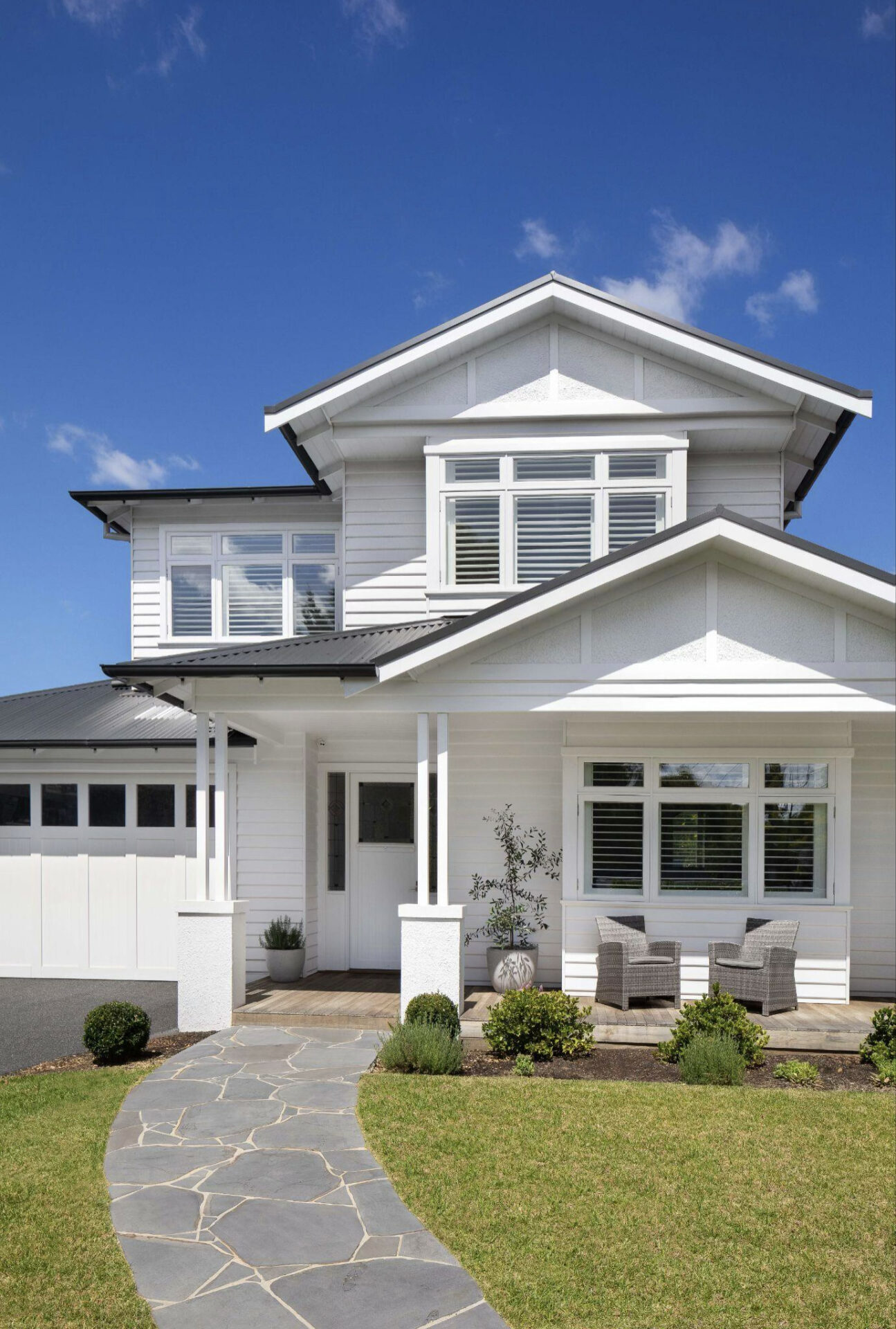
Homes that age well are rarely defined by trend-driven finishes or short-term design movements. Instead, they are shaped by balance, proportion, materiality, functionality, and the ability to adapt to changing lifestyles. While design trends naturally come and go, homes designed with longevity in mind often feel more grounded, authentic, and comfortable over time. Successful residential design is not about chasing trends, but about creating spaces that continue to feel refined and liveable long after current styles have passed.
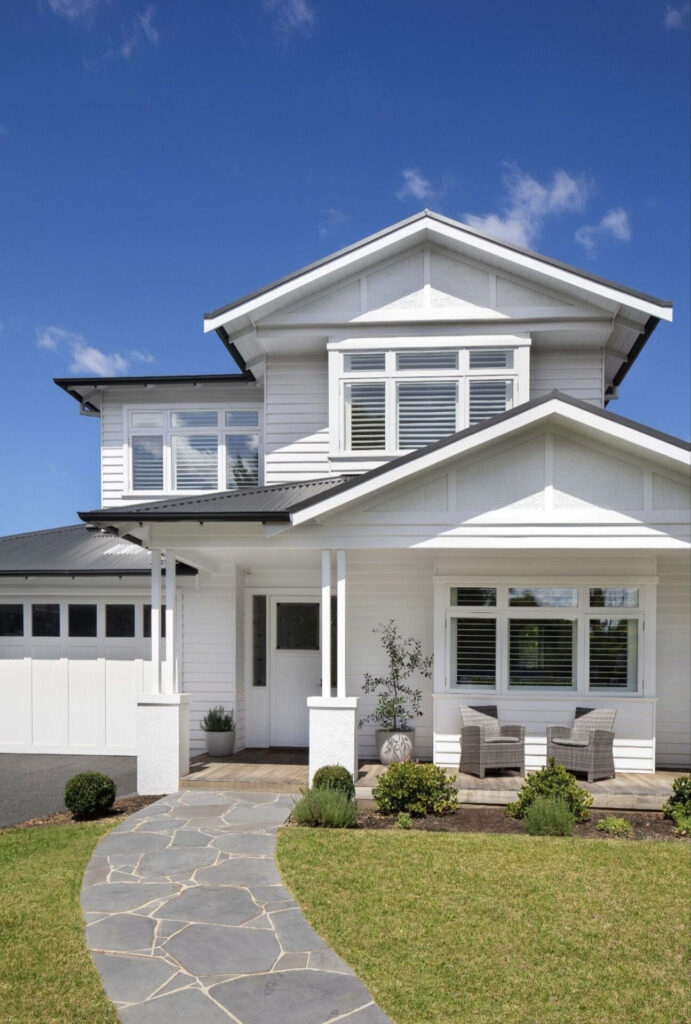
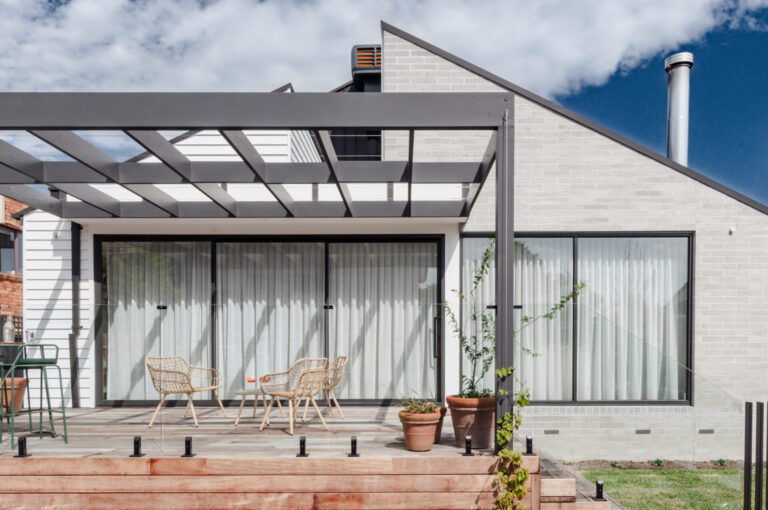
One of the most important aspects of timeless design is functionality. A well-designed home should support everyday living effortlessly while remaining adaptable as lifestyles evolve. Families grow, routines change, and the way people use spaces naturally shifts throughout different stages of life. Thoughtful floorplans, strong circulation, efficient zoning, natural indoor and outdoor connection, and well-resolved storage all contribute to the long-term success of a home. Often, the homes that continue to feel timeless are not necessarily the largest or most extravagant, but the ones that simply function well day after day.
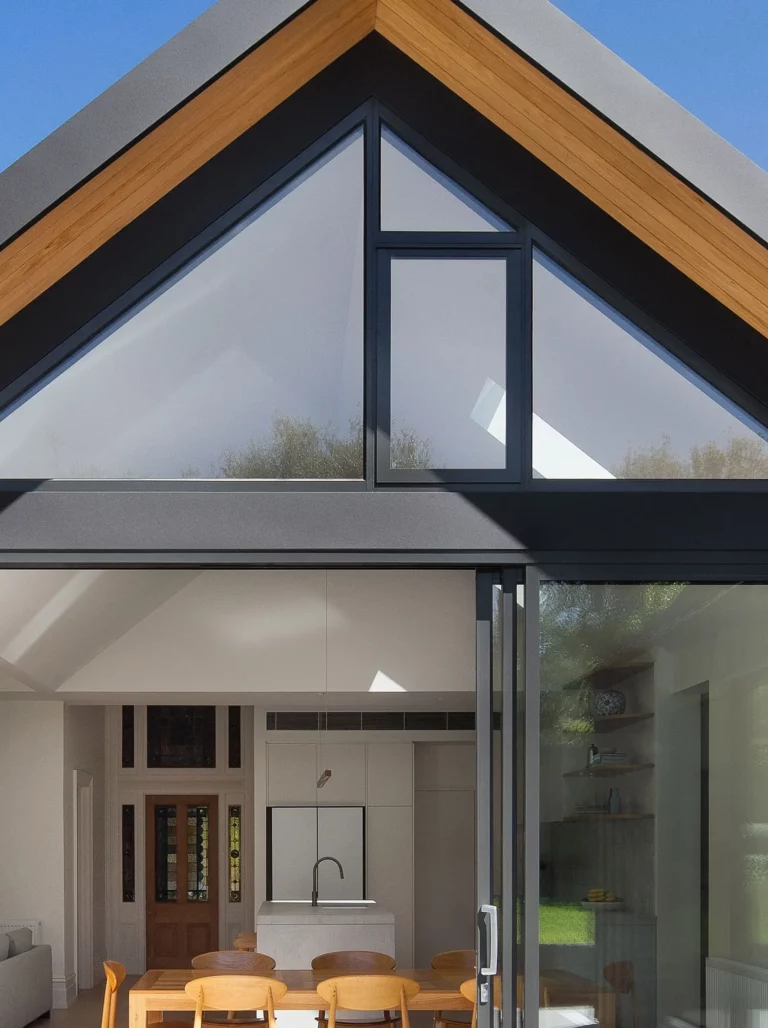
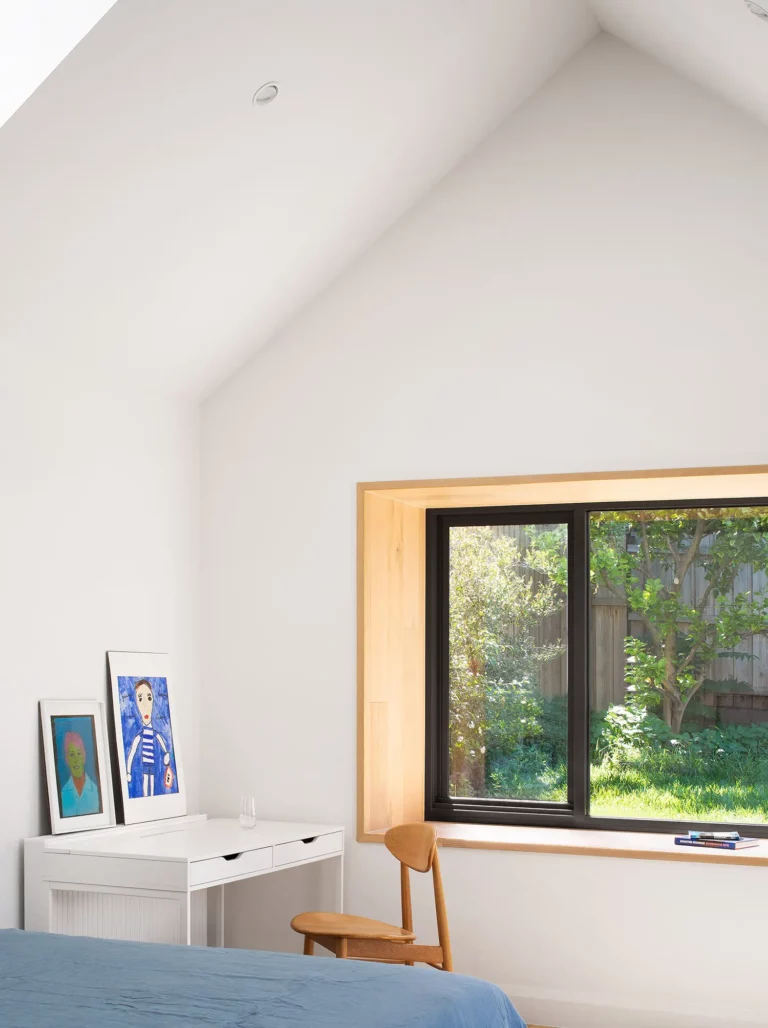
Natural light also plays a major role in how a home is experienced over time. Homes designed around natural light tend to feel warmer, more open, and more connected to their surroundings. Beyond aesthetics, light influences mood, comfort, atmosphere, and the perception of space itself. Thoughtful orientation, carefully positioned glazing, skylights, courtyards, and open living areas can dramatically improve the quality of a home without increasing its footprint. Natural light also enhances materials and architectural detailing throughout the day, bringing movement, texture, and depth into interior spaces. Homes that prioritise light often maintain a sense of warmth and timelessness regardless of changing design trends.
Material selection has an equally significant influence on how a home ages both visually and physically. Natural materials such as timber, stone, concrete, and textured finishes tend to develop character over time rather than deteriorate aesthetically. These materials create a sense of warmth, authenticity, and permanence that remains appealing for many years. Rather than relying on excessive finishes or overly polished surfaces, timeless homes often embrace simplicity and material honesty. Restrained palettes and durable materials not only improve longevity but also allow spaces to feel more refined and balanced over time.
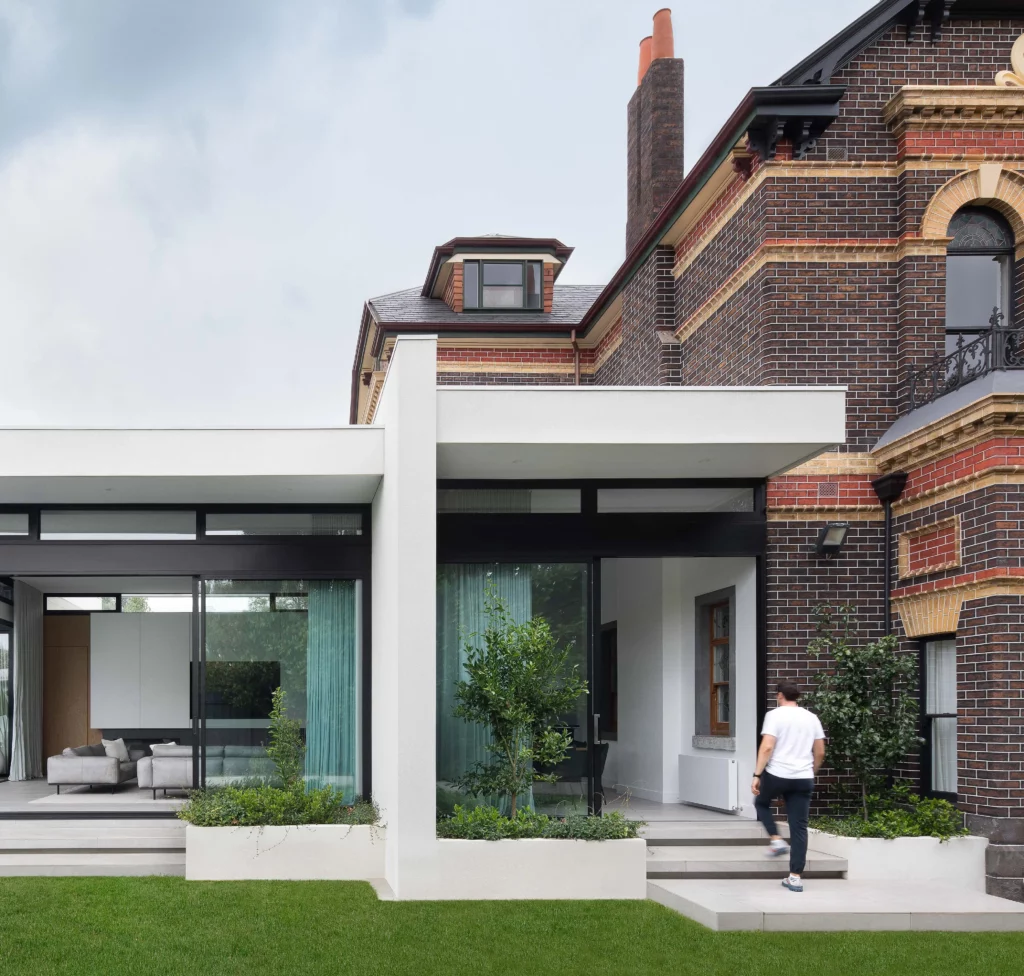
Homes that age well also tend to feel personal rather than staged. Character within a home often comes through proportion, craftsmanship, detailing, artwork, texture, and the relationship between spaces. The most memorable homes are rarely the ones designed purely around current trends — they are the homes that feel connected to the people living within them. Spaces designed with individuality and intention tend to hold their relevance far longer than homes focused solely on aesthetics.
As residential design continues to evolve, there is a growing shift toward homes that feel warmer, more lived-in, and emotionally connected rather than overly minimal or sterile. People are increasingly valuing comfort, wellbeing, sustainability, and authenticity within their homes. Energy efficiency, passive design principles, durable finishes, and adaptable layouts all contribute to creating homes that remain practical and enjoyable long into the future.
Designing homes that age well is ultimately about creating spaces that continue to feel balanced, functional, and meaningful over time. The best homes are not necessarily the most trend-focused or visually excessive. They are the homes that feel comfortable, refined, and deeply considered in the way they respond to light, materials, space, and everyday living. Because truly successful residential design should not only look good when completed — it should continue to feel right for many years to come.